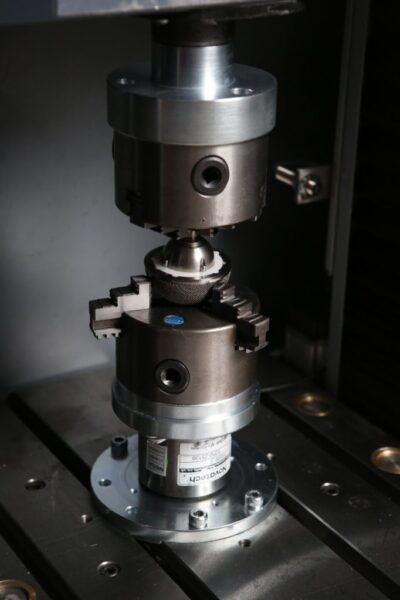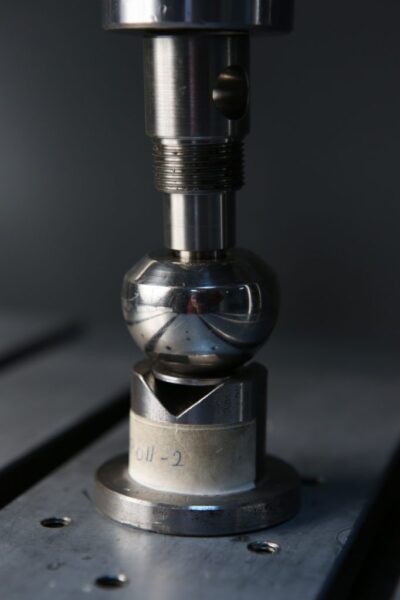
HIP PROSTHESIS TESTS

Metal prostheses used when hip joints have lost their function are called hip replacements. ISO and ASTM standards specify the mechanical tests that should be applied to hip replacements. The fatigue life, corrosion risks, and deformation risks of prostheses that remain in the body for a person's lifetime are important considerations.

Our main testing methods, which are included in our accreditation scope and prove the durability of your prostheses, are as follows:

  • Fatigue Life: ISO 7206-4 / 7206-6
  • Corrosion Risk Analysis: ASTM F1875
  • Static Strength Tests: ISO 7206-10 / 7206-12
  • Torque and Separation Tests: ISO 7206-13 / ASTM F1820
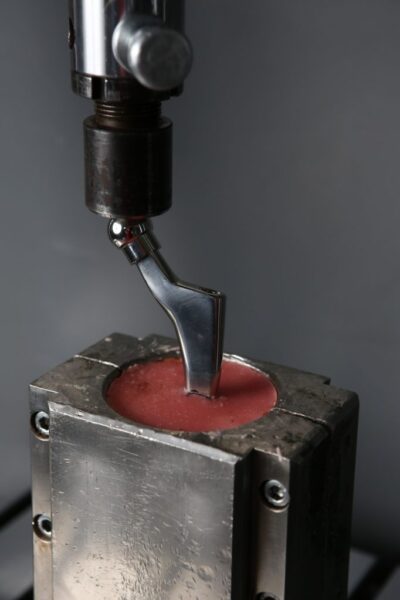
era-kalca-77
SAMPLE STANDARD EXPLANATION
HIP PROSTHESIS ACETABULAR COMPONENT ASTM F1820 Standard Test Method for Determining the Forces for Disassembly of Modular Acetabular Devices
HIP PROSTHESIS ASTM F1875 Standard Practice for Fretting Corrosion Testing of Modular Implant Interfaces: Hip Femoral Head-Bore and Cone Taper Interface
HIP PROSTHESIS ASTM F2580 Standard Practice for Evaluation of Modular Connection of Proximally Fixed Femoral Hip Prosthesis
HIP PROSTHESIS ISO 7206-2 Partial and total hip joint prostheses — Part 2: Articulating surfaces made of metallic, ceramic and plastics materials
HIP PROSTHESIS ISO 7206-4 Implants for surgery — Partial and total hip joint prostheses — Part 4: Determination of endurance properties and performance of stemmed femoral components
HIP PROSTHESIS ISO 7206-6 Implants for surgery — Partial and total hip joint prostheses — Part 6: Endurance properties testing and performance requirements of neck region of stemmed femoral components
MODULAR HEAD HIP PROSTHESIS ISO 7206-10 Implants for surgery — Partial and total hip-joint prostheses — Part 10: Determination of resistance to static load of modular femoral heads
HIP PROSTHESIS ACETABULAR COMPONENT ISO 7206-12 Implants for surgery — Partial and total hip joint prostheses — Part 12: Deformation test method for acetabular shells
FEMORAL COMPONENT (HIP PROSTHESIS) ISO 7206-13 Implants for surgery — Partial and total hip joint prostheses — Part 13: Determination of resistance to torque of head fixation of stemmed femoral component
era-kalca-77
era-kalca-68
era-kalca-95

Frequently Asked Questions

We offer professional consulting services in the establishment, integration, and certification processes of international quality, environmental, and occupational health and safety management systems, primarily focusing on medical device standards (ISO 13485) and MDR processes, as well as ISO 9001, ISO 14001, and ISO 45001.

Our processes begin with a situation analysis (GAP) where we examine your company's current structure. This is followed by an end-to-end process that includes establishing a company-specific documentation structure, integrating processes, conducting internal audits, and preparing for certification audits.

The length of the process varies depending on the scope of the chosen standard, the company's existing infrastructure, the number of employees, and the complexity of the processes. Generally, the preparation and audit processes are completed within 2 to 4 months.

Yes, we are also here to support you in ensuring the continuity of the system after certification, providing internal audit support, and preparing for annual surveillance audits.

We adhere to professional confidentiality principles in all our operations. Your company's technical and commercial information is protected under mutually signed confidentiality agreements.

Get More Information

For details about our management systems processes and corporate consulting services, please contact us.

+90 (216) 376 66 21


Let's start the process together.